
The Rise of Beverage Culture in Everyday Life
In today’s interconnected world, beverage culture has evolved far beyond simple hydration or routine drinking habits. It now represents identity, lifestyle choices, social interaction, and even global trends that connect people across continents. From traditional tea ceremonies in Asia to specialty coffee shops in Europe and energy drink trends in North America, beverage culture has become a powerful reflection of modern living.
The concept of beverage culture is deeply rooted in history, yet it continues to transform rapidly due to globalization, technology, and changing consumer preferences. What people drink, how they drink it, and when they consume beverages are all influenced by cultural backgrounds, economic factors, and lifestyle shifts. In modern society, beverages are no longer just functional—they are experiential.
Global Traditions Shaping Beverage Culture
Across the world, beverage culture is shaped by centuries-old traditions that continue to influence modern consumption patterns. In countries like China and Japan, tea is more than a drink; it is a ritual that symbolizes respect, mindfulness, and harmony. The Japanese tea ceremony, for example, reflects discipline and aesthetics, turning a simple beverage into a spiritual experience.
In contrast, European beverage culture often highlights coffee and wine as central social elements. Italy’s espresso culture emphasizes quick, strong coffee consumed at bars, while France and Spain integrate wine into daily meals, celebrating flavor and balance. These traditions have helped define regional identities and continue to influence global beverage trends.
Meanwhile, in the Middle East and South Asia, beverages such as chai and herbal infusions hold cultural and social importance. Sharing tea is often a symbol of hospitality and connection. These traditions demonstrate that beverage culture is not only about consumption but also about relationships and shared experiences.
Modern Lifestyle and Changing Consumption Patterns
Modern lifestyles have significantly reshaped beverage culture around the world. Urbanization, fast-paced routines, and digital influence have introduced new drinking habits and preferences. Today, people are more experimental with their beverage choices, exploring everything from cold brews and kombucha to plant-based milk alternatives and functional drinks.
One major shift in beverage culture is the rise of health-conscious consumption. Consumers are increasingly aware of sugar levels, artificial ingredients, and nutritional value. As a result, beverages like green smoothies, detox waters, and protein shakes have become mainstream. The modern consumer is not just drinking for taste but also for wellness and performance.
At the same time, convenience plays a key role. Ready-to-drink beverages, vending machine innovations, and mobile ordering apps have made access to drinks faster and easier than ever. This shift reflects how beverage culture adapts to the demands of modern life while still maintaining its social and emotional significance.
Social Media and the Reinvention of Beverage Culture
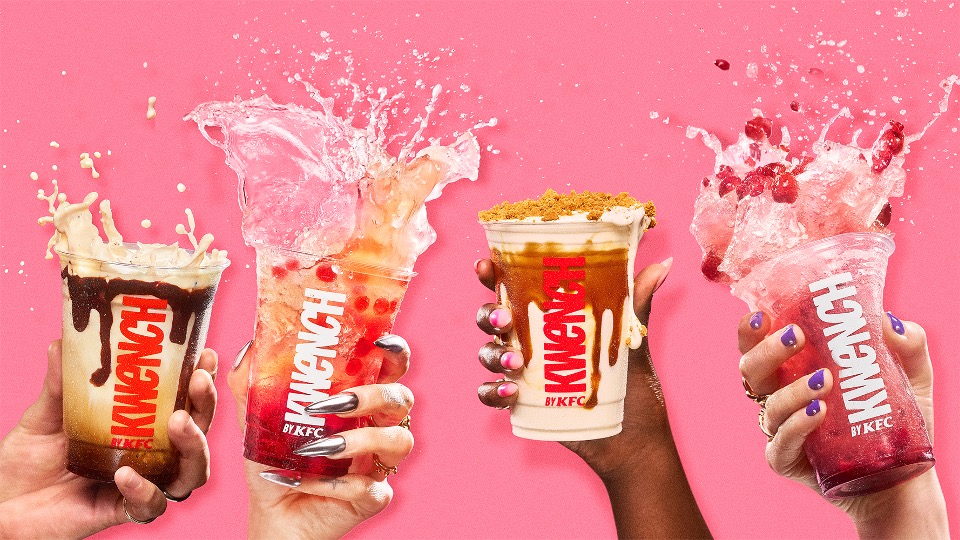
Social media platforms have played a major role in reshaping beverage culture globally. Instagram, TikTok, and YouTube have turned drinks into visual experiences. Aesthetic lattes, colorful smoothies, and creatively presented cocktails often go viral, influencing millions of users worldwide.
This visual appeal has led to the rise of “Instagrammable” beverages, where presentation is almost as important as taste. Cafés and brands now design drinks specifically to attract online attention, blending creativity with marketing. As a result, beverage culture has become more dynamic, blending tradition with modern digital expression.
Influencers and content creators also contribute to this evolution by showcasing new drink trends, recipes, and café experiences. Their impact has transformed beverages into lifestyle symbols, especially among younger generations who value uniqueness and visual storytelling.
The Role of Innovation in Beverage Culture
Innovation continues to drive beverage culture forward, introducing new flavors, ingredients, and production methods. The beverage industry is constantly experimenting with functional drinks that offer benefits such as improved focus, energy, digestion, or relaxation.
Plant-based beverages have gained significant popularity as sustainability and environmental awareness grow. Almond milk, oat milk, and soy-based drinks are now common alternatives to traditional dairy. Similarly, fermentation-based beverages like kombucha are gaining attention for their probiotic benefits.
Technology has also influenced beverage production and distribution. Smart vending machines, AI-based recommendations, and personalized drink formulations are becoming part of the modern beverage experience. These innovations show how beverage culture is evolving alongside technological progress.
Beverage Culture and Social Interaction
One of the most important aspects of beverage culture is its role in social interaction. Throughout history, beverages have served as a medium for communication, celebration, and bonding. In modern society, this remains true, although the settings have changed.
Coffee shops, bubble tea cafés, and cocktail bars have become popular social hubs where people gather to work, relax, or connect with others. Business meetings often take place over coffee, while social gatherings frequently revolve around shared drinks.
Even in digital spaces, beverage culture influences how people connect. Virtual coffee chats and online tasting events have emerged, especially after global shifts in remote communication. This demonstrates that beverages continue to play a central role in human connection, regardless of physical distance.
Regional Diversity in Beverage Preferences
Despite globalization, regional differences in beverage culture remain strong. Each part of the world continues to maintain unique preferences shaped by climate, tradition, and lifestyle.
In tropical regions, fruit-based drinks and cold beverages dominate due to warm weather. In colder climates, hot drinks like coffee, tea, and mulled beverages are more common. These environmental influences ensure that beverage culture remains diverse and adaptable.
Even within global brands, localization is essential. International beverage companies often adjust flavors and ingredients to match regional tastes. This balance between global reach and local identity is a defining feature of modern beverage culture.
The Future of Beverage Culture in a Globalized World
Looking ahead, beverage culture is expected to become even more diverse, personalized, and technology-driven. Consumers will likely demand more customization, sustainability, and health-focused options. Artificial intelligence and data analytics may enable personalized beverage recommendations based on individual preferences and health needs.
Sustainability will also play a critical role in shaping the future. Eco-friendly packaging, ethical sourcing, and reduced carbon footprints will become standard expectations. As environmental awareness grows, beverage culture will continue to evolve toward more responsible consumption practices.
At the same time, traditional beverage practices will remain important. Cultural heritage and historical drinking rituals will continue to coexist with modern innovations, creating a rich and layered global beverage culture.
Conclusion
Beverage culture is a dynamic and ever-evolving aspect of human life that reflects history, identity, innovation, and modern lifestyle changes. From traditional rituals to modern digital trends, it connects people across cultures and generations. As the world continues to change, beverage culture will remain a powerful expression of how people live, interact, and experience the world around them.