
When it comes to lubrication in industrial, automotive, or agricultural settings, choosing the right grease pump is crucial. Grease pumps ensure that machinery operates smoothly, reducing wear and tear and extending the lifespan of equipment. Two popular types of grease pumps are electric grease pumps and manual pumps. Both have their advantages and limitations, and selecting the right one depends on your specific needs, budget, and work environment.
Understanding Electric Grease Pumps
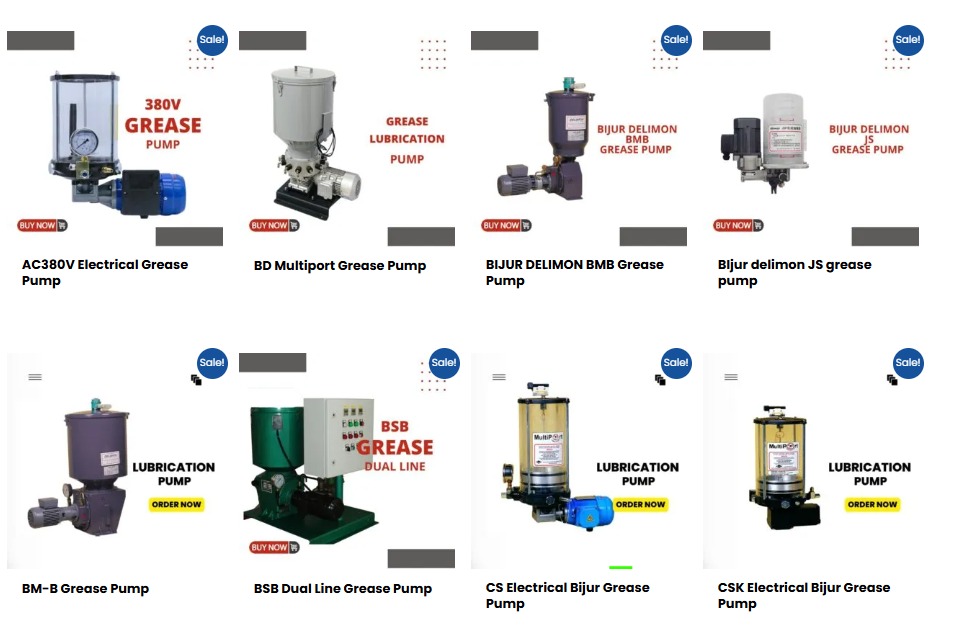
An electric grease pump is powered by electricity and automates the process of dispensing grease. It is designed to deliver consistent lubrication with minimal human effort. These pumps are widely used in workshops, factories, and large-scale operations where efficiency and precision are key.
Electric grease pumps typically come with a motor-driven mechanism, a pressure gauge, a hose, and a nozzle. Some advanced models feature digital controls, adjustable flow rates, and even remote operation capabilities. The consistent pressure and flow of grease provided by an electric pump make it ideal for heavy-duty machinery or high-volume applications.
One of the main advantages of an electric grease pump is the reduction in manual labor. Workers no longer need to operate a lever repeatedly, which can be physically exhausting, especially in large operations. Additionally, electric pumps offer higher accuracy in grease application, which prevents over-lubrication or under-lubrication—both of which can damage machinery over time.
Another benefit is speed. Electric grease pumps can fill multiple fittings quickly, saving valuable time in production environments. They also tend to have larger reservoirs than manual pumps, meaning fewer refills and less downtime. For industries that rely on efficiency and productivity, an electric grease pump is often a worthwhile investment.
However, there are some considerations. Electric grease pumps require a power source, which may limit their use in remote areas or outdoor settings without electricity. They also tend to be more expensive upfront compared to manual pumps, and maintenance of the motor and electronic components can add additional costs over time.
Features of Manual Grease Pumps
Manual grease pumps operate through human effort, typically using a lever or plunger to generate pressure and deliver grease. They are simple devices that do not require electricity, making them versatile and portable. Manual pumps are commonly used in smaller workshops, farms, and remote locations where electric power may not be readily available.
The main advantage of a manual grease pump is its simplicity and durability. With fewer moving parts and no reliance on electricity, manual pumps are less likely to fail or require complex repairs. They are also more cost-effective, making them accessible for smaller businesses or occasional use.
Portability is another significant advantage. Manual pumps are usually lighter and easier to transport, which is ideal for jobs that require moving between multiple work sites. Additionally, they allow operators to control the amount of grease manually, which can be useful for delicate machinery or precise lubrication needs.
On the downside, manual pumps require more physical effort and can be slower than electric pumps. Repeated use can lead to operator fatigue, especially when dealing with heavy machinery or high-volume lubrication tasks. Accuracy may also vary depending on the skill and consistency of the operator, potentially resulting in uneven lubrication.
Comparing Efficiency and Speed
When evaluating efficiency, electric grease pumps clearly have the upper hand. They provide a steady, controlled flow of grease, ensuring that all fittings receive the right amount. The automation reduces the risk of human error, which is particularly valuable in large-scale operations where consistency is critical.
Manual pumps, while reliable, are inherently slower. The speed depends on the operator’s strength and stamina. For occasional or low-volume use, this may not be a significant issue. However, in environments where time is money, the slower pace of manual pumping can impact productivity.
For businesses focused on efficiency, reducing downtime, and meeting tight schedules, an electric grease pump is the more practical choice. It streamlines the lubrication process and frees up labor for other tasks.
Durability and Maintenance
Both electric and manual grease pumps are designed to be durable, but their maintenance requirements differ. Manual pumps are relatively low-maintenance. Regular cleaning, lubrication of moving parts, and inspection of seals are usually sufficient to keep them functioning well for years.
Electric grease pumps, on the other hand, require more attention. In addition to cleaning and lubrication, the motor and electrical components must be checked periodically. Wear and tear on the pump mechanism, electrical connections, and wiring may necessitate repairs or replacement parts. Despite these additional requirements, a well-maintained electric pump can last a long time and deliver superior performance.
Cost Considerations
Budget is often a decisive factor when choosing between an electric grease pump and a manual pump. Manual pumps are generally less expensive upfront and are ideal for smaller businesses or occasional use. They also have lower ongoing costs since they don’t consume electricity and require minimal maintenance.
Electric grease pumps require a higher initial investment, but their efficiency and time-saving benefits can offset the cost in the long run. For businesses that rely heavily on lubrication or operate multiple machines simultaneously, the productivity gains and reduced labor costs make the investment worthwhile.
It’s also important to consider the total cost of ownership. Electric pumps may require replacement parts, motor maintenance, and electricity, while manual pumps primarily require occasional cleaning and lubrication. Evaluating these long-term costs alongside immediate budget constraints can help you make an informed decision.
Applications and Use Cases
Choosing the right type of grease pump largely depends on your specific applications.
- Heavy Industrial Operations: Electric grease pumps are ideal for factories, automotive assembly lines, and large construction sites where machinery requires frequent and consistent lubrication.
- Small Workshops and Garages: Manual pumps work well for small automotive shops or workshops with limited machinery.
- Remote Locations: Farms, mining sites, or outdoor construction projects may benefit more from manual pumps due to portability and lack of electricity.
- High-Volume Lubrication: Any environment where multiple machines or large machinery need lubrication quickly and accurately will benefit from an electric grease pump.
Making the Right Choice
When deciding between an electric grease pump and a manual pump, consider the following factors:
- Volume of Lubrication: High-volume operations favor electric pumps, while occasional use can rely on manual pumps.
- Budget: Manual pumps are cost-effective upfront, but electric pumps may save money through efficiency in the long term.
- Labor Availability: If reducing physical strain on workers is important, electric pumps provide a clear advantage.
- Portability Needs: Manual pumps are easier to transport and suitable for remote or outdoor jobs.
- Accuracy and Consistency: Electric pumps ensure precise and even lubrication, reducing the risk of machinery damage.
Ultimately, the decision comes down to your operational requirements. For high-demand, industrial, or production-focused environments, investing in an electric grease pump is often the best choice. For smaller, portable, or low-frequency lubrication tasks, a manual pump provides reliability and simplicity without breaking the budget.
Conclusion
Selecting the right grease pump is essential to maintaining machinery, improving efficiency, and reducing maintenance costs. While manual grease pumps are durable, portable, and budget-friendly, they require more physical effort and are slower. Electric grease pumps, on the other hand, offer speed, precision, and convenience, making them ideal for high-volume or industrial applications.
By carefully evaluating your specific needs, budget, and work environment, you can choose the grease pump that best supports your operations. Whether you prioritize portability and simplicity or efficiency and automation, understanding the differences between electric and manual pumps ensures that your machinery remains well-lubricated and your workflow stays smooth.
An electric grease pump may have a higher upfront cost, but the long-term benefits of reduced labor, consistent lubrication, and faster operation make it an investment that pays off in productivity and equipment longevity. For anyone serious about machinery maintenance and operational efficiency, this type of pump is worth serious consideration.