



In today’s manufacturing landscape, efficiency and precision are key. One approach that has gained significant traction among engineers, small businesses, and prototype developers is low volume CNC machining. Unlike high-volume production, which focuses on mass output, low volume CNC machining allows manufacturers to produce smaller batches of highly accurate parts, often with shorter lead times and reduced costs. This guide is designed to help beginners understand the basics, benefits, and best practices of low volume CNC machining.
Understanding Low Volume CNC Machining
CNC, or Computer Numerical Control, machining is a manufacturing process where pre-programmed computer software controls the movement of machinery and tools to produce precise parts. In low volume CNC machining, the production is limited to small batches, typically ranging from a single prototype to a few hundred units. This approach is ideal for custom designs, prototypes, and specialized applications where mass production is unnecessary or cost-prohibitive.
Low volume CNC machining is distinguished by its flexibility. Unlike injection molding or other mass-production techniques, CNC machines can switch between different parts and materials without extensive retooling. This makes it especially useful for startups, small businesses, and research and development projects.
Benefits of Low Volume CNC Machining
One of the most compelling advantages of low volume CNC machining is cost-effectiveness for small production runs. Traditional mass-production methods often require expensive molds, dies, or tooling, which can make low-quantity runs financially impractical. CNC machining eliminates much of this setup cost, enabling manufacturers to produce high-quality components without a massive upfront investment.
Another benefit is precision. CNC machines operate under computer control, ensuring consistent and accurate results. For projects where tolerance is critical—such as aerospace, medical, or automotive applications—low volume CNC machining provides the precision needed without committing to large-scale production.
Additionally, low volume CNC machining allows for rapid prototyping. Engineers and designers can test multiple iterations of a part, refine designs, and make adjustments quickly. This reduces time to market and minimizes the risk of costly mistakes in mass production.
Common Materials Used
Low volume CNC machining supports a wide variety of materials, including metals, plastics, and composites. Metals like aluminum, stainless steel, and titanium are frequently used for their durability and strength. Plastics such as ABS, polycarbonate, and nylon are popular for lightweight applications, while composites may be chosen for specialized performance requirements.
The choice of material depends on factors like the intended use of the part, required mechanical properties, and budget. One of the advantages of low volume CNC machining is the ability to experiment with different materials without committing to a large batch, making it easier to find the ideal solution for a project.
Essential CNC Machining Techniques
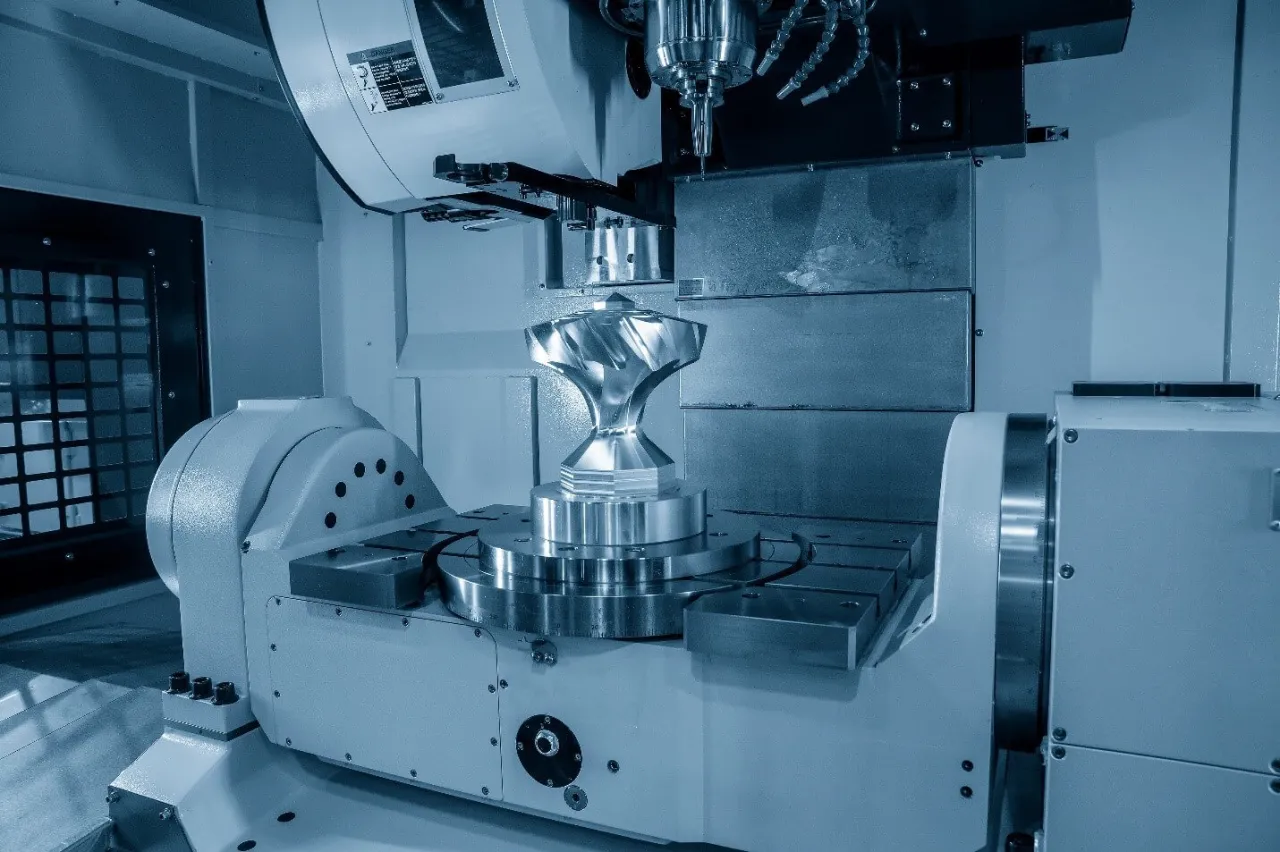
Low volume CNC machining employs several techniques, each suited to different applications. Milling is one of the most common methods, where rotary cutters remove material from a workpiece to create the desired shape. Turning, often performed on a lathe, rotates the material while a cutting tool shapes it. Drilling, boring, and tapping are also frequently used to create holes and threaded features.
Advanced CNC operations, such as 5-axis machining, enable the creation of complex geometries with minimal setup. These capabilities are particularly useful in low volume production, where unique or intricate designs are common. Understanding which techniques are appropriate for a specific part is crucial for achieving quality results.
Choosing the Right CNC Service
Selecting the right CNC service provider is an important step in low volume CNC machining. Factors to consider include experience, machine capabilities, material expertise, and turnaround times. Many service providers specialize in low volume production and offer flexible solutions tailored to small-batch projects.
Communication is also key. Clear specifications, design files, and tolerances should be shared with the service provider to ensure the final parts meet expectations. Some providers even offer design feedback and optimization suggestions to improve manufacturability and reduce costs.
Cost Considerations
While low volume CNC machining reduces some upfront costs compared to mass production, it’s important to understand the factors that influence pricing. Material choice, part complexity, machine time, and finishing requirements all affect the overall cost. Prototyping or small-batch production often carries a higher per-unit price than mass production, but the trade-off is flexibility, precision, and reduced risk of large-scale errors.
Design optimization can help control costs. Simplifying geometry, minimizing unnecessary features, and selecting cost-effective materials can make low volume CNC machining more affordable without compromising quality. Planning ahead and understanding the manufacturing process can significantly improve the value of each part produced.
Design for Manufacturability
Designing parts with CNC machining in mind is essential, especially for low volume production. Features such as deep cavities, undercuts, or thin walls can complicate machining and increase costs. By considering the limitations and strengths of CNC equipment during the design phase, engineers can reduce machining time and avoid costly modifications.
Additionally, providing detailed CAD files and clear specifications ensures that the manufacturer can produce parts accurately. Incorporating tolerances, surface finishes, and material requirements into the design will streamline the production process and improve the final product quality.
Applications of Low Volume CNC Machining
Low volume CNC machining is used across a wide range of industries. In aerospace and automotive sectors, it enables the creation of custom components and functional prototypes. In medical device manufacturing, it allows for precise, small-batch production of surgical tools, implants, and testing models. Consumer electronics and industrial machinery also benefit from the flexibility and accuracy offered by low volume CNC machining.
Startups and small businesses particularly rely on low volume production to test markets, refine designs, and launch products without the financial burden of high-volume manufacturing. This approach enables innovation and rapid iteration, which are critical in competitive markets.
Tips for Beginners
For those new to low volume CNC machining, a few tips can help ensure success. Start by understanding your design requirements and material properties. Research different CNC techniques to determine the best approach for your parts. Work closely with your service provider to communicate tolerances, finishes, and deadlines clearly.
Prototyping early and iterating often will save time and reduce the risk of errors. Keep designs simple where possible and prioritize features that add functional value. Finally, be prepared to learn from each production run, as hands-on experience with CNC machining is invaluable for mastering the process.
Conclusion
Low volume CNC machining offers a versatile, cost-effective solution for producing high-quality parts in small quantities. Its precision, flexibility, and ability to handle diverse materials make it an attractive option for prototypes, custom parts, and small-batch production. By understanding the fundamentals, selecting the right materials and techniques, and working closely with experienced CNC providers, beginners can harness the full potential of low volume CNC machining. Whether you are an engineer, designer, or entrepreneur, mastering this process opens the door to innovation, efficiency, and high-quality manufacturing on a smaller scale.