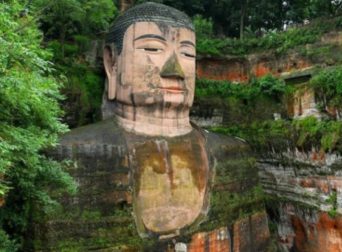

Mount Emei, one of China’s Four Sacred Buddhist Mountains, is a destination that blends natural beauty, spiritual heritage, and cultural depth. Spanning over 1,500 square kilometers, it offers diverse landscapes ranging from dense forests and cascading waterfalls to golden temples perched on high cliffs. For travelers, choosing the right tourist routes on Mount Emei can greatly enhance the experience, allowing them to explore its highlights efficiently while soaking in its unique atmosphere. This guide will walk you through the top options and tips for navigating this magnificent mountain.
Understanding the Main Tourist Routes on Mount Emei
When planning a visit, it’s essential to familiarize yourself with the major tourist routes on Mount Emei. These routes cater to different levels of fitness, time availability, and interest in either hiking or cultural exploration. The mountain’s layout is generally divided into lower, middle, and upper sections, each with its own attractions and routes.
The most popular route begins at the Emei Mountain Scenic Area, where visitors can choose between the bus, cable car, or footpaths to ascend. The lower route is ideal for casual tourists who prefer less strenuous walking and want to experience temples, lush vegetation, and local wildlife. The upper route is more challenging but rewards hikers with breathtaking panoramic views and access to some of the mountain’s most iconic temples.
The Traditional Pilgrimage Route
For those seeking a spiritual experience, the traditional pilgrimage route is a must. This path follows a network of ancient trails connecting sacred sites such as Baoguo Temple, Wannian Temple, and the Golden Summit. Travelers on this route can enjoy the serene environment, encounter monks in prayer, and witness centuries-old architectural treasures.
Hiking the pilgrimage route requires moderate physical effort. The path winds through dense forests, bamboo groves, and stone stairways, providing both a physical challenge and an immersive connection to Mount Emei’s spiritual essence. Along the way, scenic spots like the Qingyin Pavilion and the tea plantations offer rest points and photo opportunities.
Cable Car and Shorter Scenic Routes
For visitors with limited time or those who prefer a less physically demanding option, the cable car system on Mount Emei provides an excellent alternative. The tourist routes on Mount Emei accessible by cable car start from the base at Wannian Temple or from the parking area near Qingyin Pavilion. This route allows travelers to reach the Golden Summit efficiently while enjoying aerial views of the lush landscape.
Once at the Golden Summit, tourists can explore the Brahma Palace, admire the sea of clouds, and experience the sunrise if timed correctly. Shorter routes near the summit include visits to the Leiyin Temple and various scenic viewpoints that highlight the mountain’s dramatic cliffs and unique rock formations. These routes are particularly suitable for family travelers or elderly visitors who wish to enjoy the mountain without extensive hiking.
Forest and Nature Trails
Nature enthusiasts will find Mount Emei’s forest trails highly rewarding. These tourist routes on Mount Emei traverse old-growth forests, bamboo corridors, and streams teeming with wildlife. One of the most famous nature trails is the route from Jinding (Golden Summit) down to Xixiangchi, which takes hikers through diverse ecosystems and allows them to spot endemic species, including the Emei Shan monkeys.
These trails are perfect for photographers, bird watchers, and anyone looking to immerse themselves in the mountain’s natural beauty. Clear signage and well-maintained paths make navigation straightforward, although some sections can be steep and require sturdy footwear and a good level of fitness.
Temples and Cultural Routes
Mount Emei is renowned for its temples, and specific cultural routes cater to travelers interested in history, religion, and architecture. Starting from Baoguo Temple at the base, visitors can follow a path that includes Qionglai Temple, Wannian Temple, and Huazang Temple before reaching the Golden Summit. Along the way, travelers witness intricate carvings, ancient statues, and ceremonial halls that reflect centuries of Buddhist tradition.
Cultural routes can be combined with nature trails, offering a balanced experience of spirituality and scenic beauty. Guided tours often enhance these routes, providing historical context and stories behind each temple, making the journey more meaningful.
Sunrise and Sunset Routes
Many travelers prioritize the visual spectacle of sunrise and sunset on Mount Emei. Specific tourist routes on Mount Emei are designed to maximize these experiences. The route to the Golden Summit is the most famous for catching sunrise above a sea of clouds, while the western slopes offer stunning sunset vistas. Timing and route selection are crucial for these experiences; early-morning hikes or cable car rides are recommended to avoid crowds and ensure the best views.
Combining Routes for a Multi-Day Adventure
For a comprehensive Mount Emei experience, consider combining multiple tourist routes on Mount Emei over two or three days. A typical itinerary might begin with a cultural exploration at the base, followed by a nature trail hike through the middle section, and finally, a sunrise or sunset visit to the Golden Summit. Multi-day trips allow travelers to explore hidden corners, interact with locals, and experience the mountain’s changing moods from morning mist to afternoon sun.
Accommodations along the routes, including guesthouses near key temples and summit lodges, make it possible to pace the journey comfortably. This approach caters to both casual visitors and avid hikers, offering flexibility while ensuring that no highlight is missed.
Practical Tips for Navigating Mount Emei
To make the most of your chosen tourist routes on Mount Emei, consider these practical tips:
- Plan According to Fitness Level: Choose routes that match your stamina and experience. Steep ascents may require more time and energy.
- Check Weather Conditions: Mount Emei’s weather can change rapidly, affecting visibility and trail safety. Carry rain gear and warm clothing for higher elevations.
- Start Early: Popular routes can become crowded, so early departures offer a more peaceful experience.
- Use Cable Cars Wisely: Cable cars save time and energy but consider walking sections to fully appreciate the scenery and temples.
- Respect Local Customs: Many temples are active religious sites, so observe quietness and dress modestly.
Conclusion
Mount Emei offers a rich tapestry of experiences for all types of travelers. Whether following spiritual pilgrimage routes, enjoying scenic cable car rides, exploring dense forests, or immersing in Buddhist culture, the mountain’s tourist routes on Mount Emei provide diverse options tailored to different preferences. Thoughtful planning and route selection ensure that every visitor can capture the essence of this UNESCO World Heritage site, making the journey both memorable and inspiring.
Choosing the right combination of routes, timing your visit for sunrise or sunset, and respecting the natural and cultural heritage of the mountain can transform a simple trip into an unforgettable adventure. Mount Emei truly rewards those who explore its trails with curiosity, reverence, and a sense of adventure.