




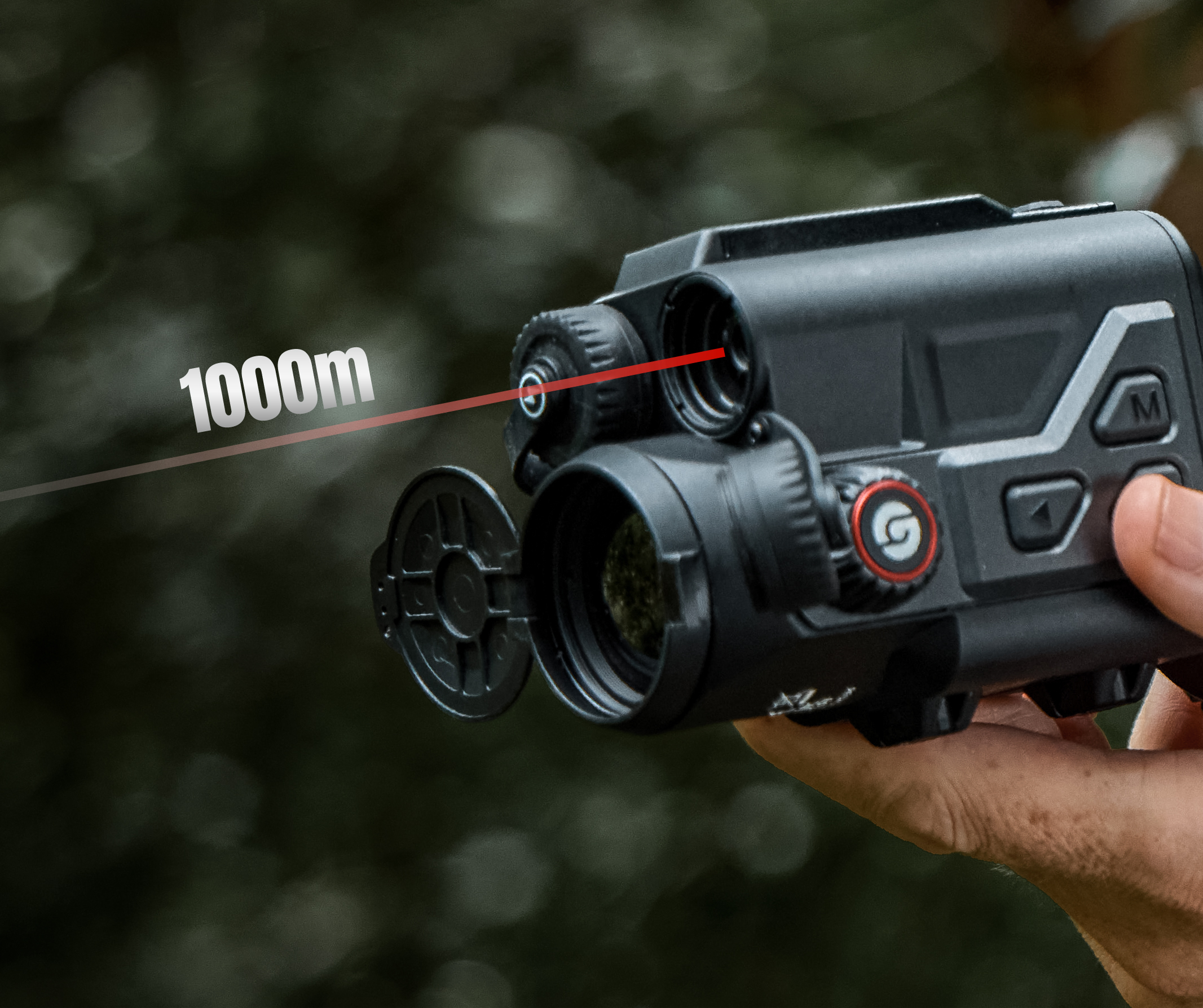
Thermal imaging cameras have become essential tools in a variety of industries, ranging from security and surveillance to electrical inspections, firefighting, and medical diagnostics. These devices detect infrared radiation emitted by objects and convert it into a visible image that highlights temperature differences. While thermal cameras are powerful tools, understanding the accuracy of thermal imaging cameras is crucial for ensuring reliable results in any application.
How Thermal Imaging Cameras Work
Thermal imaging cameras function by sensing infrared radiation, which is emitted by all objects based on their temperature. The camera’s sensor captures this radiation and converts it into an electronic signal, which is then processed to produce a thermal image, often called a thermogram. In the thermogram, different temperatures appear as distinct colors or shades, allowing users to identify hot spots, leaks, or abnormal temperature variations.
The precision of these cameras depends on multiple factors, including sensor quality, calibration, and environmental conditions. The accuracy of thermal imaging cameras can vary from ±0.5°C to ±2°C in most commercial devices, and even small deviations can affect the interpretation of thermal data in critical applications.
Factors Influencing Accuracy
Sensor Resolution and Quality
One of the primary factors affecting the accuracy of thermal imaging cameras is the resolution of the infrared sensor. Higher-resolution sensors capture more detailed temperature variations across a scene, improving the ability to detect subtle differences. Low-resolution cameras may produce a blurred thermal image, which can lead to misinterpretation of temperature data.
The type of sensor also matters. Microbolometer sensors are commonly used in commercial cameras due to their sensitivity and compact design. However, specialized cooled sensors offer higher accuracy and faster response times, making them suitable for scientific or industrial applications where precision is critical.
Calibration and Maintenance
Proper calibration is essential for maintaining the accuracy of thermal imaging cameras. Over time, sensors may drift due to environmental exposure, physical shocks, or aging components. Routine calibration against a reference temperature ensures that the thermal readings remain reliable.
Some advanced cameras come with automatic calibration features that adjust readings in real-time, minimizing errors. However, users must still perform periodic maintenance checks to verify the camera’s performance and prevent inaccurate measurements.
Environmental Conditions
Environmental factors play a significant role in the accuracy of thermal imaging cameras. Ambient temperature, humidity, and wind can all influence the infrared radiation detected by the camera. For instance, reflective surfaces can distort readings, while dust or smoke in the air may scatter infrared signals, resulting in misleading thermal images.
Using thermal cameras under controlled conditions and understanding environmental effects can help improve measurement accuracy. In industrial inspections, compensating for surface emissivity and environmental reflections is critical to obtaining reliable thermal data.
Distance and Field of View
The distance between the camera and the target object can affect the accuracy of thermal imaging cameras. At greater distances, infrared radiation disperses, which can reduce temperature resolution. Choosing a camera with the appropriate field of view and lens type ensures that measurements remain precise across the target area.
For applications requiring long-range thermal detection, such as perimeter security or energy audits in large buildings, investing in high-quality optics and zoom capabilities is essential to maintain accuracy.
Common Applications and Their Accuracy Requirements
Electrical and Mechanical Inspections
Thermal imaging cameras are widely used in electrical and mechanical inspections to detect overheating components, faulty wiring, or machinery wear. In these applications, precise temperature readings are vital to prevent equipment failure or fire hazards. A deviation of even a few degrees can lead to misdiagnosis, highlighting the importance of high accuracy of thermal imaging cameras.
Medical and Healthcare Use
In medical diagnostics, thermal imaging helps monitor skin temperature, detect inflammation, and identify circulatory problems. Here, accuracy is critical because incorrect readings can lead to misinterpretation of a patient’s condition. Medical-grade thermal cameras often feature stringent calibration standards and higher resolution to meet these requirements.
Building and Energy Audits
For building inspections, thermal imaging cameras detect heat leaks, insulation gaps, and moisture problems. Accurate temperature readings are necessary to pinpoint areas needing repair. While a minor error may not cause immediate danger, it can result in inefficiencies and higher energy costs if not addressed correctly.
Firefighting and Search and Rescue
In firefighting or search and rescue operations, thermal cameras help locate people or hotspots in low-visibility conditions. Although absolute temperature accuracy is less critical than the ability to detect heat contrasts, reliable readings can still improve safety and operational decisions.
Tips for Maximizing Accuracy
- Choose the Right Camera: Select a camera that matches the required accuracy level for your application. High-end models provide better sensor quality, calibration, and image processing capabilities.
- Regular Calibration: Schedule routine calibration against known reference temperatures to maintain measurement precision.
- Understand Emissivity: Different materials emit infrared radiation differently. Adjusting the emissivity setting on the camera ensures accurate temperature readings for various surfaces.
- Control Environmental Factors: Minimize reflections, dust, and moisture interference. Conduct inspections when environmental conditions are stable whenever possible.
- Maintain Optimal Distance: Keep the camera within the recommended range of the target and use appropriate lenses to capture the necessary field of view.
- Continuous Training: Users should understand how to interpret thermal images correctly. Misreading a thermal image can lead to errors even if the camera is highly accurate.
Future Trends in Thermal Imaging Accuracy
Thermal imaging technology continues to evolve, with manufacturers improving sensor sensitivity, resolution, and calibration methods. Emerging trends include AI-assisted image analysis, real-time thermal mapping, and integration with drones for aerial inspections. These innovations promise to enhance the accuracy of thermal imaging cameras while making them more user-friendly and versatile.
Conclusion
Understanding the accuracy of thermal imaging cameras is critical for leveraging their full potential across various industries. Accuracy is influenced by sensor quality, calibration, environmental conditions, and user expertise. By selecting the right camera, maintaining it properly, and understanding its limitations, professionals can ensure reliable thermal measurements that support informed decision-making. Whether for industrial inspections, healthcare applications, or emergency response, precision in thermal imaging directly impacts safety, efficiency, and overall effectiveness.